Football Training Gear: The Complete Year-Round Guide
Published January 28, 2026 · Updated August 5, 2026 · 7 min read
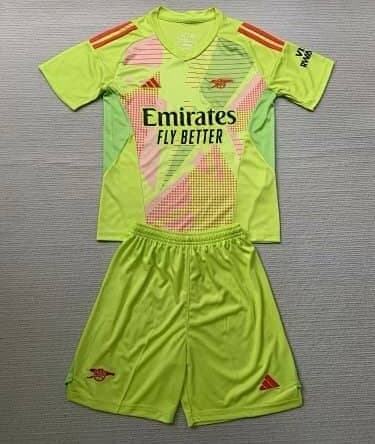
Most players choose their matchday jersey carefully, then show up to training in the first shirt they grab. That math is off: you spend three to five times more hours per week in training than in matches, so training gear is where investment pays off most.
This guide walks through a complete training wardrobe: how to layer through the seasons, how training gear differs from matchday kit, what is specific about goalkeeper equipment, and why every amateur team needs a set of bibs.
Layering through the seasons
The basic rule of outdoor training: two or three thin layers beat one thick one. Layers come off as your body warms up, and polyester fabrics wick sweat away from the skin and dry quickly.
From late spring to early autumn, a short sleeve training top is enough. Once the temperature drops below 15 degrees, switch to long sleeves, and below 10 degrees to a full tracksuit.
- Summer (20+ degrees): short sleeves and shorts, ideally in lighter colors.
- Transitional weather (10-20 degrees): long sleeves, or short sleeves plus a tracksuit top.
- Winter (below 10 degrees): a long sleeve training suit, with a base layer underneath if needed.
- Rain and wind: the tracksuit top as an outer layer that blocks the wind.
Training gear vs matchday kit
A matchday jersey is built to be as light as possible for 90 minutes and saved for the game. Training gear is cut for daily wear and tear: slightly thicker fabric, more durable seams, and cuts that tolerate sliding, falls, and washing three times a week.
The practical setup most amateur players use: two or three training sets rotated through the week, plus a matchday jersey worn only on weekends. That keeps the match shirt looking new all season — we covered how to wash and store it in our guide to football jersey care.
Goalkeeper gear: long sleeves for a reason
Goalkeepers are the only players required by the rules to wear a color different from the rest of the team, and their gear has practical quirks too: long sleeves protect the elbows during dives, and many goalkeeper jerseys carry discreet padding at the elbows.
For training on hard or gravelly pitches, long sleeves are not a style choice for a keeper but protection. The loud colors — neon yellow, orange or green — are no accident either: the goalkeeper must stand out from every other player on the pitch.
Bibs: the cheapest upgrade for an amateur team
No small-sided training game works without bibs. They are the cheapest piece of equipment that instantly solves the eternal problem of pickup football: who is playing for whom.
For a team training once or twice a week, 8-10 training bibs in two colors are enough. Size up, because a bib goes over a shirt or a hoodie, and pick a mesh fabric that does not trap sweat.
Before and after training: a hoodie that keeps muscles warm
The biggest risk of catching a cold is not during training but after it, standing sweaty in the parking lot recapping the session. That is why experienced players pull a hoodie or sweater over their wet shirt as soon as they finish — or, even better, change into a dry one first.
A hoodie helps before training too: warming up in one raises your body temperature faster, and the layer comes off only when the main part of the session begins. In winter, that is the difference between warm and stiff muscles on the first sprint.
You do not need much to start: a short sleeve set for warm weather, a tracksuit for the cold, and a hoodie for before and after training. Add a long sleeve jersey for goalkeepers and a two-color set of bibs for the team. If you are unsure about sizing, our size guide will help, or write to us directly.
Browse the full training gear range in the shop, and find answers about ordering in the FAQ.
Frequently asked questions
How many training sets do I realistically need?
For two or three sessions per week, two sets rotated between washes are enough. If you train four or more times a week, a third set means you never put on damp gear.
What size bibs should I buy for a team?
Go one size up from what the players usually wear, because a bib goes over a shirt and, in winter, over a hoodie. For a mixed amateur team, a universal larger size usually covers everyone.
Can I return or exchange training gear?
Yes, standard items can be exchanged, and order processing takes 1-3 business days. Personalized items with custom printing are excluded from standard returns.
Shop related collections
Find your next jersey
Browse national team kits, club shirts, retro classics, and kids sizes — with worldwide shipping.
Browse the shopKeep reading
How to Care for a Football Jersey So It Lasts Years (Guide)
Jerseys are not destroyed by time but by wrong washing. Here are the exact rules: temperature, inside-out washing, drying, ironing, and reviving older shirts.
How to Choose the Right Football Jersey Size (2026 Guide)
Sizing is the number one reason for exchanges. This guide covers how to measure yourself, how fan and player fits differ, and how to get the size right the first time.