How to Care for a Football Jersey So It Lasts Years (Guide)
Published February 14, 2026 · Updated August 5, 2026 · 6 min read
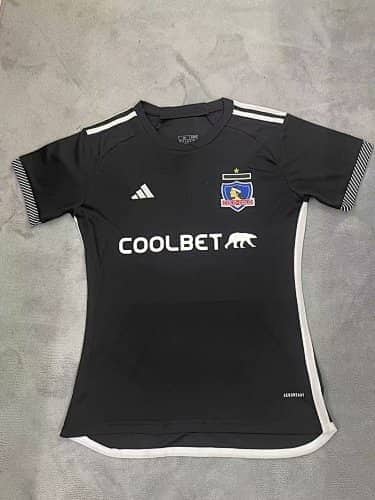
Nine out of ten jerseys are ruined not by age but by wrong care: hot washes, fabric softener, tumble drying, and an iron over the numbers. Polyester is actually a forgiving material, it just plays by different rules than cotton clothing.
This guide puts all the rules in one place: how to wash a jersey without risking the print, how to dry and store it, when (and how) it may be ironed, and how to bring back the shine of a shirt that already has a few seasons behind it.
Washing: 30 degrees, inside out, no softener
The golden rule: maximum 30 degrees Celsius, jersey turned inside out, on a synthetics or delicates cycle with the spin capped at 800 rpm. Polyester fears heat because it softens the adhesive behind heat-applied numbers and sponsors, which start peeling after just a few hot washes.
Fabric softener is the biggest hidden enemy: it coats polyester fibers with a film that clogs the fabric's moisture-wicking ability and, over time, traps odors instead of removing them. Use liquid detergent instead, at half the dose you would use for regular laundry.
- Wash inside out, alone or with similar synthetics, never with jeans or anything with zippers.
- Temperature capped at 30 degrees, spin at 800 rpm or below.
- A small dose of liquid detergent, no softener, no bleach.
- Rinse fresh grass and mud stains with cold water before the machine, never warm (heat sets protein stains).
- Never leave a sweaty jersey in a bag overnight, sweat eats into the print and fibers.
Protecting prints, numbers, and the crest
The name and number on the back are the most fragile part of the jersey, because heat-applied lettering is held by an adhesive that tolerates neither heat nor mechanical rubbing. Washing inside out solves most of it: the print faces inward and stops rubbing against the drum and other clothes.
For personalized jerseys and models with large sponsor lettering we also recommend a mesh laundry bag as an extra layer of protection. This especially applies to national team jerseys with embroidered federation crests, where a loose thread can catch on another garment's zipper. We covered how crest workmanship tiers differ in how to spot a quality jersey.
Drying and storing: patience beats the machine
The tumble dryer is a forbidden zone: the combination of heat and drum tumbling is the fastest way to wrinkle and peel the numbers. Polyester dries remarkably fast anyway, a jersey is dry in 2-3 hours at room temperature.
Dry the jersey on a hanger, inside out, in the shade. Direct sunlight fades colors, especially red and navy, and the damage is irreversible. Long sleeve models should dry laid flat over a rack so the sleeves do not stretch the shoulders out.
Storage follows one rule: a jersey you wear hangs on a hanger in the wardrobe, while a jersey you keep as a collector's piece is stored folded with the print facing outward (so the number never folds over itself and cracks along the crease).
Ironing: almost never, and never over the print
First the good news: a jersey almost never needs an iron. Hang it up straight after washing and polyester smooths itself out. The easiest fix for a crumpled shirt is hanging it in the bathroom while you shower, the steam relaxes the creases in about ten minutes.
If you absolutely must iron: lowest setting (one dot, up to 110 degrees), jersey inside out, and always a cotton cloth between the iron and the fabric. The iron must never, not even through a cloth, pass over numbers, names, the crest, or sponsors, because the adhesive melts at temperatures every iron exceeds. One pass over a number is enough to deform it permanently.
How to revive an older jersey
A jersey that has lost its freshness can often be saved. For trapped sweat odors, soak it for 30-45 minutes in cold water with two tablespoons of baking soda or a cup of white vinegar, then wash normally at 30 degrees. Vinegar also breaks down softener build-up from past mistakes.
Fabric pilling (those small bobbles in friction areas) can be carefully removed with a fabric shaver or a regular razor over stretched fabric, but never over the print. A number lifting at a corner can be temporarily re-fixed with an iron over baking paper at the lowest setting, pressing for 5-10 seconds, though that is a rescue, not a permanent repair.
Kids jerseys: care after every training session
A kids jersey lives a much harder life than a matchday shirt: two or three training sessions a week, grass, mud, and sweat. The rules are the same, but the rhythm differs: rinse the jersey with cold water right after training even when it is not going straight into the machine, because dried sweat and mud are far harder to remove later.
With kids jerseys, plan for reality: a child wears the shirt until outgrowing it, which means 40-60 washes in a season. That makes the 30-degree rule even more important, because every mistake gets multiplied by the number of washes. If you are buying for a whole season, see our sizing guide too.
All the science of jersey care fits in one sentence: cold wash inside out, air dry in the shade, and keep the iron far from the print. A jersey treated this way still looks good after 50 washes, and that is the difference between a one-season and a five-season shirt.
If your jersey is already beyond saving and you need a replacement, browse the shop. And for care questions about a specific model, contact us or check the FAQ.
Frequently asked questions
At what temperature should a football jersey be washed?
Maximum 30 degrees Celsius, turned inside out, on a synthetics or delicates cycle. Higher temperatures soften the adhesive behind heat-applied graphics, so numbers and sponsors start to peel.
Can I use fabric softener?
No. Softener coats polyester fibers with a film that blocks moisture-wicking and traps odors over time. Use a small dose of liquid detergent instead, and remove existing softener build-up with a vinegar wash.
How do I iron a jersey without damaging the number?
Best answer: do not. Hang the jersey after washing and the creases disappear on their own. If you must, iron inside out on the lowest setting through a cotton cloth and never pass over numbers, names, the crest, or sponsors.
Shop related collections
Find your next jersey
Browse national team kits, club shirts, retro classics, and kids sizes — with worldwide shipping.
Browse the shopKeep reading
How to Spot a Quality Football Jersey (2026 Guide)
Two jerseys can look identical in photos yet feel completely different in hand. Here is exactly what to inspect: fabric, seams, crest work, and print quality.
How to Choose the Right Football Jersey Size (2026 Guide)
Sizing is the number one reason for exchanges. This guide covers how to measure yourself, how fan and player fits differ, and how to get the size right the first time.