How to Choose the Right Football Jersey Size (2026 Guide)
Published June 10, 2026 · Updated August 5, 2026 · 6 min read
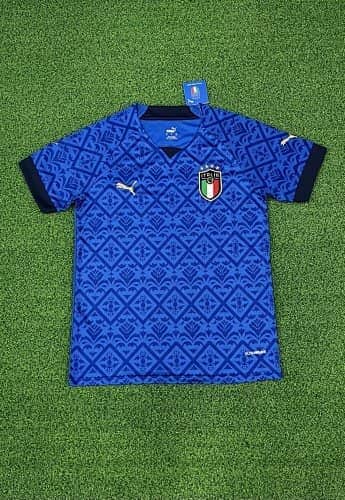
The question we hear most often from customers is: which jersey size should I order? Football jerseys do not fit like regular t-shirts, and the difference between fan and player editions makes the choice even trickier.
This guide walks through everything you should know before ordering: how to take your measurements, how the cuts differ, and what to do when you are between two sizes.
Why jersey sizing differs from regular clothing
Football jerseys are produced against Asian or European size charts depending on the manufacturer. A size L jersey can correspond to a European M, especially for player editions that are deliberately cut slimmer.
That is why we recommend never relying on the size letter alone. Use centimeter measurements instead: shoulder width, chest circumference, and jersey length.
How to measure for a jersey
Take a shirt that fits you well and measure it laid flat: width under the armpits (doubled for chest circumference) and length from shoulder to hem. Compare those numbers with the size chart on the product page.
- Chest: measure the widest part of your chest and add 8-10 cm of comfort room for a fan fit.
- Length: the jersey should cover your waistband but not your full hips.
- Shoulders: the shoulder seam should sit right at the edge of your shoulder on a fan fit.
- Between two sizes? Size up for fan fit, and definitely size up for player fit.
Fan fit or player fit
The fan edition is a wider, more relaxed cut made for everyday wear and matchday support. The player edition is the cut worn on the pitch: a slimmer silhouette, stretchier fabric, and usually a lighter material. We wrote a detailed comparison in Player version vs fan version jerseys.
If you go for a player version jersey, expect it to sit close to the body — most customers order one size larger than usual.
Kids sizing
Kids sizes are labeled by height (e.g. 116, 128, 140, 152, 164 cm) or by age. Always go by the child's height rather than age, because kids of the same age can differ by two full sizes.
For kids jerseys the same rule applies as for adults: if the child is between two sizes, take the larger one, especially if the jersey should last a whole season.
The most common sizing mistakes
From experience with thousands of orders, these are the mistakes that most often lead to exchanges:
- Comparing against your jeans or dress-shirt size instead of jersey measurements.
- Ordering the same size for fan and player cuts.
- Skipping the size chart on the product page.
- Buying kids sizes by age instead of by height.
Once you find your size with a given manufacturer, every following order is easy. Still unsure? Contact us with your measurements before ordering and we will suggest a size, or check our FAQ.
Ready to shop? Browse the full range in the shop or pick a national team jersey for your side.
Frequently asked questions
Do jerseys shrink after washing?
Modern polyester jerseys do not shrink noticeably when washed at 30 degrees and air-dried. We recommend washing inside out, on a low temperature, without fabric softener.
What if I am between two sizes?
For a fan fit, size up if you prefer a relaxed feel. For a player fit, almost always size up, because the cut is deliberately slim.
Can I exchange a jersey that does not fit?
Yes, standard items can be exchanged. Contact us as soon as possible with your order code. Personalized jerseys with a printed name and number are excluded from standard exchanges.
Shop related collections
Find your next jersey
Browse national team kits, club shirts, retro classics, and kids sizes — with worldwide shipping.
Browse the shopKeep reading
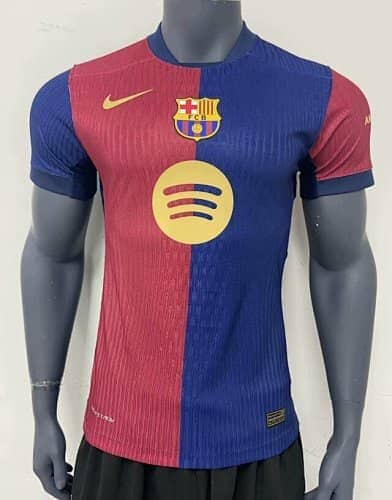
Player Version vs Fan Version Jerseys: What Is the Difference?
Player and fan version jerseys look alike in photos but differ in fabric, cut, and how the badges are made. We break down every difference and who should buy which.
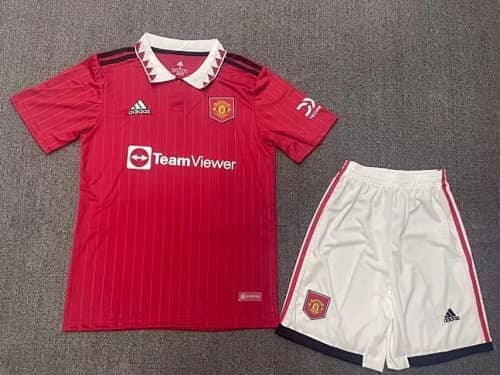
How to Spot a Quality Football Jersey (2026 Guide)
Two jerseys can look identical in photos yet feel completely different in hand. Here is exactly what to inspect: fabric, seams, crest work, and print quality.