The History of Retro Football Jerseys: Why Classics Are Back
Published April 9, 2026 · Updated August 5, 2026 · 8 min read
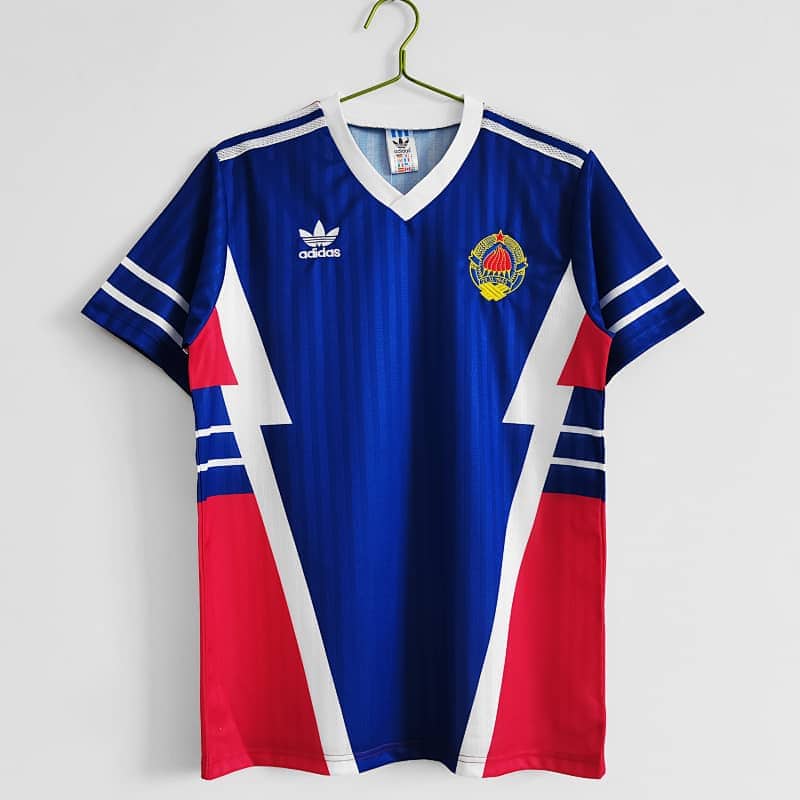
Few pieces of clothing carry as much history as a football jersey. Retro models from the seventies, eighties, and nineties are now worn in the stands, on the street, and on fashion runways, with some original pieces fetching several thousand euros at auction.
In this article we walk through the eras that defined kit design, the iconic models every fan recognizes — from Brazil 1970 to Yugoslavia of the nineties — and explain why the retro aesthetic is so popular today. If you are already curious about the range, we keep the classics in our retro national team and retro club jersey collections.
From cotton to polyester: how the jersey became design
Until the seventies, a jersey was essentially a work uniform: heavy cotton, one color, no sponsors. The turning point came in that decade, when synthetics entered production and clubs began selling replicas to fans; the first major shirt sponsor in Europe appeared in 1973.
The eighties and nineties brought what we recognize retro jerseys by today: bold patterns, geometric prints, and wide, relaxed cuts. Printing technology of the time allowed all-over designs for the first time, and manufacturers used that freedom to the fullest.
Iconic kits every fan knows
Some jerseys transcended sport and became part of general culture. These are the models mentioned most often when people talk about the most beautiful kits of all time:
- Brazil 1970: the yellow shirt of Pele's generation from the first World Cup broadcast in color — probably the most recognizable jersey ever.
- Netherlands 1988: the orange geometric-pattern shirt in which Van Basten scored his famous volley at the European Championship.
- Yugoslavia of the late eighties and early nineties: the blue shirt of the Stojkovic, Savicevic and Prosinecki generation, today one of the most sought-after retro models in the Balkans.
- AC Milan of the early nineties: the red and black stripes from Capello's unbeaten 1991/92 season.
- Barcelona of the nineties: the blue and red shirts of Cruyff's Dream Team that won the club's first European Cup in 1992.
The Yugoslavia jersey: our greatest classic
For Balkan fans, no retro jersey carries the weight of the blue Yugoslavia shirt. The generation that won the 1987 World Youth Championship in Chile and reached the 1990 World Cup quarter-final in Italy is remembered as one of the most talented in European football history.
That is why the blue shirt is still bought both as fan gear and as a keepsake, and often as a gift for older generations who watched that team live. We wrote more about today's national teams of the region in Balkan national team jerseys.
Collecting culture: why retro jerseys hold their value
Jersey collecting has grown into a serious scene over the last decade: original pieces from the eighties and nineties sell at specialized auctions, and the rarest match-worn shirts reach five-figure sums.
For most people, though, the point is wearing the shirt, not locking it in a safe. A quality retro replica delivers the same look and emotion at the price of a regular jersey — in our case around 45 EUR — without the fear of ruining a collector's piece by wearing it. We explained how to spot a well-made replica in how to recognize a quality jersey.
How retro jerseys are worn today
The retro jersey left the stands long ago and became part of street fashion, following the same logic as vintage hoodies and nineties sneakers. The easiest combinations: a jersey over jeans or wide trousers, with sneakers and, if you like, a cap.
The wide cut of retro models is an advantage here — it drapes loosely and does not demand an athletic build. The full retro look is rounded out by retro tracksuits, which are coming back for the same reason as the jerseys: nostalgia plus comfort.
Retro jerseys endure because they combine three things modern fashion rarely offers at once: a story, a recognizable design, and emotion. Whether you are after a Yugoslavia shirt for your father, Netherlands 88 for yourself, or a striped Milan for the display cabinet, the classics of the eighties and nineties have stayed in style for forty years — and they are not stopping now.
Browse our retro national team jerseys and retro club jerseys, and if you are looking for a specific model or year, message us and we will check availability.
Frequently asked questions
What is the most famous retro jersey of all time?
The most cited is Brazil's yellow shirt from the 1970 World Cup, the first broadcast in color. Right beside it stand Netherlands 1988 and early-nineties Milan, while in the Balkans the blue Yugoslavia shirt is by far the most sought after.
Are retro jerseys faithful copies of the originals?
Quality retro replicas follow the original design, colors, and badges of the era, but are made from modern materials, so they are lighter and more comfortable than the original cotton and early synthetics.
How do I care for a retro jersey so the print does not crack?
Wash it inside out at 30 degrees, without fabric softener and without machine drying. Never iron directly over printed details. With that care a replica looks good for years.
Shop related collections
Find your next jersey
Browse national team kits, club shirts, retro classics, and kids sizes — with worldwide shipping.
Browse the shopKeep reading
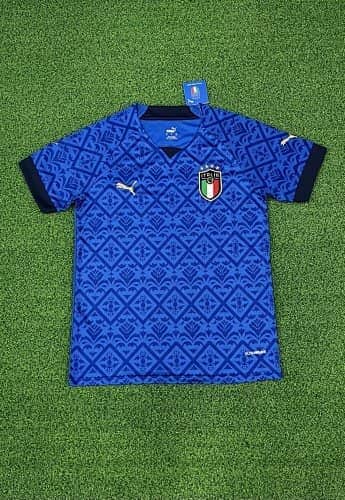
Balkan National Team Jerseys: From Checkers to Eagles
Few regions wear a jersey with as much emotion as the Balkans. We walk through the design identity of eight national teams, retro Yugoslavia kits and the World Cup 2026 buzz.
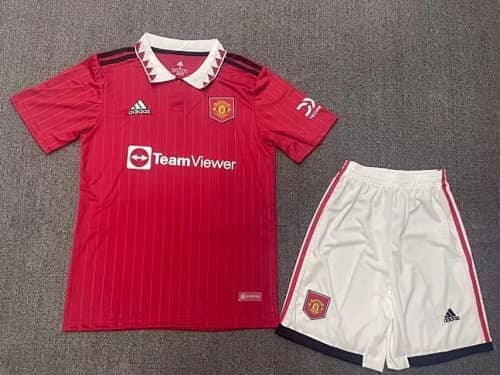
How to Spot a Quality Football Jersey (2026 Guide)
Two jerseys can look identical in photos yet feel completely different in hand. Here is exactly what to inspect: fabric, seams, crest work, and print quality.